How Professional Mold Remediation Protects Your Belmont Property’s Value and Health
Mold isn’t just an eyesore—it’s a silent threat to your property’s structural integrity and your family’s health. In our coastal climate, moisture lingers longer, and hidden colonies can spread undetected. Professional remediation stops the damage and restores safety, not just surfaces.
Why Mold Thrives in Our Local Climate
Belmont’s mild, humid winters and proximity to the Bay create ideal conditions for mold growth. Even minor leaks or condensation in crawl spaces can fuel rapid infestations.
Poor ventilation in older homes—common in neighborhoods like Ralston or Twin Pines—traps moisture. Without intervention, spores colonize drywall, insulation, and framing within 48 hours.
The Hidden Costs of Untreated Mold
Structural damage from mold isn’t always visible. It weakens wood, corrodes HVAC components, and compromises air quality—leading to costly repairs if ignored.
Health risks escalate with prolonged exposure. Respiratory issues, allergies, and immune responses are common, especially in sensitive individuals. Early remediation prevents long-term medical and property devaluation.
Mold can double in size every 24–48 hours under the right conditions. Delaying remediation exponentially increases damage and costs.
Professional Remediation vs. DIY: What You Risk
DIY mold removal often misses hidden colonies behind walls or under flooring. Without proper containment, spores spread during cleanup, worsening contamination.
Professionals use HEPA filtration, negative air pressure, and antimicrobial treatments to ensure spores don’t recirculate. We also address the root moisture issue—critical for lasting results.
| Factor | Professional | DIY |
|---|---|---|
| Safety | Full PPE, containment, HEPA air scrubbers | Limited protection; risk of exposure |
| Effectiveness | Targets hidden mold with thermal imaging, moisture meters | Surface-level; misses structural contamination |
| Prevention | Moisture control solutions (e.g., crawl space encapsulation) | No root-cause resolution |
| Long-term Cost | Higher upfront, but prevents recurrence | Lower upfront, but often leads to repeated treatments |
| Health Risk | Minimized with proper protocols | High risk of spore dispersal |
Our Step-by-Step Remediation Process
Every project begins with a thorough mold inspection and air quality testing. We use thermal imaging to detect moisture behind walls and in attics or crawl spaces.
Containment is critical. We isolate affected areas with physical barriers and negative air pressure to prevent spore migration to clean zones.
Critical Areas We Target in Belmont Homes
Crawl spaces are a hotspot due to poor ventilation and ground moisture. We often pair remediation with vapor barriers or encapsulation to block future growth.
Attics suffer from roof leaks or condensation. Without proper ventilation, trapped humidity fosters mold on sheathing and insulation. Basements and bathrooms are other high-risk zones we address.
Commercial properties in San Carlos or Redwood City face similar risks, especially in older buildings with outdated plumbing or HVAC systems.
Common Mold Hideouts
- Behind drywall near plumbing leaks
- Under carpeting or padding
- Inside HVAC ductwork
- On subflooring in crawl spaces
- Behind baseboards or window frames
- In attic insulation or roof decking
Moisture Control: The Key to Prevention
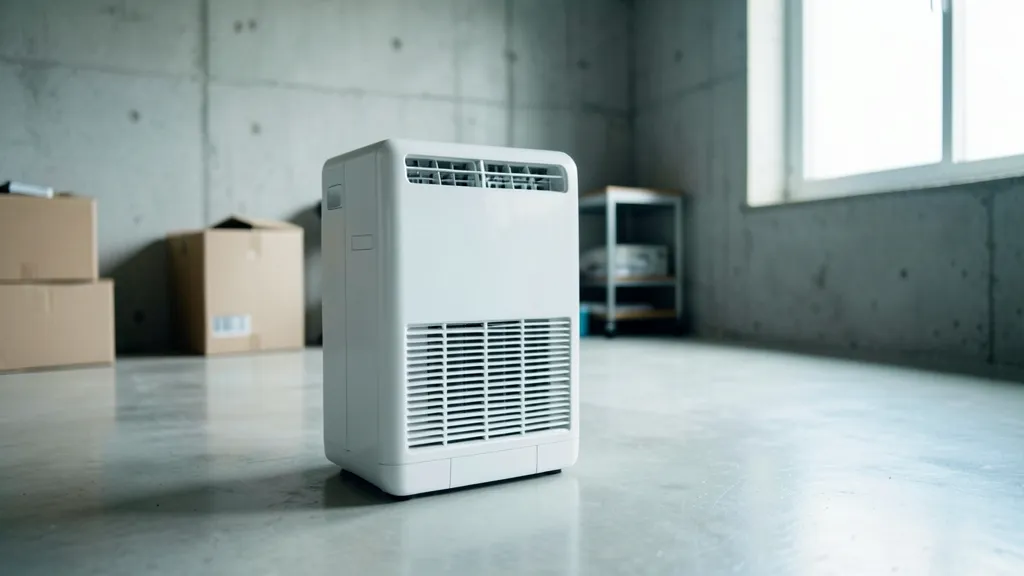
Remediation without moisture control is temporary. We identify and fix leaks, improve drainage, and recommend dehumidifiers or ventilation upgrades where needed.
For crawl spaces, encapsulation with a vapor barrier is a game-changer. In attics, proper baffling and soffit vents prevent condensation buildup.
Keep indoor humidity below 50% to inhibit mold growth. Use hygrometers to monitor levels, especially during damp seasons.
Restoring Air Quality After Remediation
Even after mold removal, airborne spores can linger. We use HEPA air scrubbers and fogging with antimicrobial agents to purify the air.
Post-remediation air quality testing confirms the space is safe. This step is critical for homes with immune-compromised residents or before selling a property.
Protecting Your Investment and Health
Mold devalues properties by signaling neglect to buyers. Professional remediation documentation reassures inspectors and preserves resale value.
Health-wise, removing mold reduces allergens and irritants. Families in Belmont, San Mateo, or Foster City often report fewer respiratory issues after thorough remediation.
How to Prepare for Professional Mold Remediation
A few simple steps ensure the process is efficient and safe for your household.
- 1Clear the Area
Remove furniture, personal items, and pets from the affected space. This allows full access and protects your belongings from contamination.
- 2Turn Off HVAC Systems
Shut down heating, cooling, or ventilation to prevent spores from spreading through ducts during remediation.
- 3Seal Off Adjacent Rooms
Use plastic sheeting and tape to block doorways or vents leading to clean areas, if advised by our team.
- 4Communicate Access Needs
Ensure our crew can reach crawl spaces, attics, or basements. Clear pathways and provide keys or access codes if needed.
- 5Plan for Temporary Relocation
For extensive infestations, consider staying elsewhere during remediation, especially if anyone in the home has respiratory sensitivities.
Frequently Asked Questions
How long does professional mold remediation take in Belmont?
Timelines vary based on the infestation size and affected areas. Small, contained jobs may take 1–2 days, while large or structural cases (e.g., crawl space or attic mold) can require a week or more. We provide a detailed estimate after inspection.
Will mold come back after remediation?
Not if the moisture source is addressed. Our process includes identifying and fixing leaks, humidity issues, or ventilation gaps. Without correcting these, mold can return—even in San Mateo’s drier months.
Is mold remediation covered by homeowners insurance?
Coverage depends on your policy and the mold’s cause. If it results from a covered peril (e.g., a burst pipe), insurance may pay for remediation. We recommend checking with your provider and documenting the damage.
Can you remediate mold in my crawl space without encapsulation?
We can remove existing mold, but without encapsulation or moisture barriers, the space remains vulnerable. In Belmont’s damp climate, we often recommend encapsulation as a long-term solution to prevent recurrence.
How do I know if mold is toxic?
The term ‘toxic mold’ is misleading—most molds can produce mycotoxins under certain conditions. Black mold (Stachybotrys) is often cited, but all mold should be treated seriously. Our testing identifies species and spore counts to assess risk.
Do you serve areas near Belmont, like Foster City or Redwood City?
Yes, we provide full mold inspection, testing, and remediation services across the Peninsula, including San Carlos, San Mateo, Foster City, and Redwood City. Local knowledge helps us address region-specific moisture challenges.