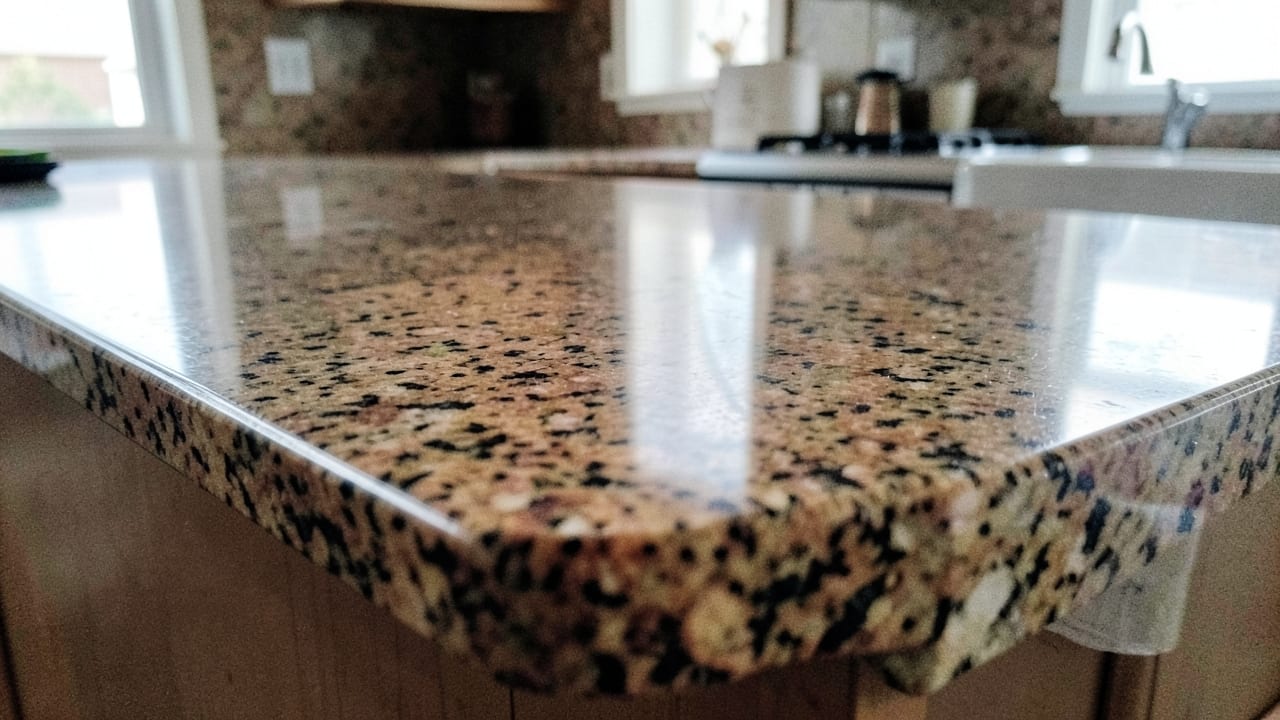
Stone Countertop Mold Removal
Professional removal of mold from stone countertops using specialized cleaning and treatment methods.
Mold on stone countertops—like granite, marble, or quartz—requires professional removal to prevent regrowth and surface damage. In Belmont, CA, remediation follows strict containment, cleaning, and drying protocols to eliminate spores and restore surfaces safely.
Unlike porous materials, stone surfaces are treated with specialized solutions to avoid etching or discoloration while ensuring long-term results.
We also handle Tile & Grout Mold Cleanup and Glass Window Mold Removal for Belmont properties.
When stone countertop mold needs professional help
Visible mold covering more than a small, isolated patch (around 10 square feet) often signals a deeper issue. If growth keeps returning after cleaning or spreads despite surface treatment, the moisture source—like a leak, poor ventilation, or condensation—hasn’t been addressed.
Stone countertops, especially natural stone, absorb stains and spores differently than other surfaces, requiring targeted solutions to avoid permanent damage.
A musty smell with no visible mold or growth that worsens when the HVAC runs may indicate hidden mold in walls, under cabinets, or inside ductwork. In these cases, professional inspection and containment are critical to prevent cross-contamination.
Belmont’s humid climate and older homes with outdated plumbing or insulation further increase the risk of hidden moisture problems.
Signs Your Stone Countertop Mold Needs Professional Removal
- Mold covers more than 10 square feet (or returns after cleaning).
- Musty smells persist even after surface cleaning.
- Growth appears in multiple spots or spreads over time.
- The affected area feels damp or has visible water stains.
- DIY cleaners fail to remove stains or spores completely.
What affects pricing for stone countertop mold removal in Belmont
Pricing for stone countertop mold removal varies based on the extent of contamination, the type of stone, and whether additional services—like refinishing or moisture source repair—are needed. Unlike flat-rate pricing, most providers assess the job site first to determine the scope.
For example, a single countertop with surface mold may cost differently than a kitchen island with deep-seated growth requiring sealing or replacement sections.
Containment setup, HEPA filtration, and clearance testing are typically billed separately. Stone surfaces like marble or granite may require specialized sealants or polishing after treatment, adding to the total.
Local factors—such as the need for subfloor drying or HVAC inspections—can also adjust the final quote. Always confirm whether the estimate includes inspection, testing, and post-remediation verification.
| Factor | Impact on Cost |
|---|---|
| Size of affected area | Larger or multi-surface contamination increases labor and materials. |
| Type of stone (granite, marble, quartz) | Porous or delicate surfaces may require extra care or sealants. |
| Moisture source repair needed | Fixing leaks or improving ventilation adds to the total. |
| Containment and testing requirements | Full containment and clearance testing are often priced separately. |
| Additional services (refinishing, sealing) | Post-treatment work like resealing is billed as a specialty add-on. |
Why containment and testing matter
During removal, plastic sheeting and negative-air machines create a sealed workspace to trap spores. Without this, disturbed mold can spread through HVAC systems or adjacent rooms, turning a small job into a larger one.
HEPA air scrubbers and vacuums ensure spores aren’t recirculated, while industrial dehumidifiers dry framing and subfloors to prevent regrowth. Skipping these steps leaves hidden moisture sources active, risking recurrence.
Clearance testing by an independent lab confirms spore levels return to normal before containment is removed. In Belmont, where older homes may have hidden plumbing or insulation issues, thorough testing helps verify the job’s effectiveness. Always ask for documentation showing post-remediation results—this protects against assumptions about the work’s success.
A breach in containment—like an open door or torn plastic—releases spores into unaffected areas. This can turn a contained job into a property-wide issue, increasing costs and extending cleanup time.
How stone countertop mold removal works
Professional remediation follows a structured process to safely eliminate mold and prevent regrowth.
- 1Containment Setup
Plastic sheeting and negative-air machines seal the work area to prevent spores from spreading. This step is critical for stone surfaces, where disturbed mold can settle into porous gaps or nearby materials.
- 2Surface Treatment
Specialized mold-specific solutions are applied to stone countertops, scrubbed with HEPA-filtered tools, and left to dwell before rinsing. The goal is to kill spores without damaging the finish or etching the surface.
- 3Drying and Moisture Control
Industrial dehumidifiers and air movers dry framing, subfloors, and hidden areas to prevent hidden moisture from fueling regrowth. Stone surfaces are inspected for residual dampness before sealing.
- 4Clearance Testing
An independent lab tests air and surfaces for remaining spores. Results determine whether containment can be removed and the area is considered safe for use.
- 5Post-Remediation Care
Homeowners are advised to monitor humidity, fix leaks, and improve airflow in affected rooms to reduce recurrence risk. For stone, periodic resealing may help maintain resistance to future mold.
Frequently asked questions
Can I clean mold off my stone countertop myself?
Small, isolated patches (under 10 square feet) can sometimes be treated with vinegar or hydrogen peroxide, but stone surfaces—especially marble or granite—require careful handling to avoid staining or etching. If the mold returns or spreads, professional removal is safer and more effective.
How do I know if my musty smell is from mold in the ducts?
A smell that worsens when the HVAC runs or lingers in multiple rooms often indicates ductwork mold. Visual inspections alone may not catch hidden growth, so professional testing—including air sampling—is recommended to confirm and locate the source.
Will my stone countertop look the same after mold removal?
Surface treatments are designed to preserve the finish, but porous stones like granite or marble may need resealing afterward. Delicate surfaces like marble could show faint marks even after treatment, though these are often less noticeable than active mold stains.
Do I need to replace my countertop if it has mold?
Not always. Deeply embedded mold or extensive damage may require section replacement, but professional cleaning and sealing often restore the surface. A contractor can assess whether refinishing or partial replacement is the best option for your stone type.
Where Belmont sits, and what the Census lists nearby
Belmont sits in California, and the closest places listed in the U.S. Census Gazetteer are San Carlos (1.8 miles southeast), Baywood Park (2.8 miles west), Highlands (2.8 miles west), San Mateo (3.3 miles north). Within 25 miles of Belmont the same source lists 65 distinct incorporated places and census-designated places.
Those figures matter for stone countertop mold removal because they are straight-line distances between Census coordinate points: road mileage between Belmont and San Carlos runs longer than the 1.8 miles shown, which is why quotes for the same job differ between towns that look close together on a map.
Source: U.S. Census Bureau Gazetteer.
See North Fair Oaks, CA for more, or take a look at the rest of our Belmont lineup on a single page for our complete lineup.
Ready to get started?
Talk to a local mold remediation pro in Belmont — get a written quote.
Other Mold Remediation Services in Belmont
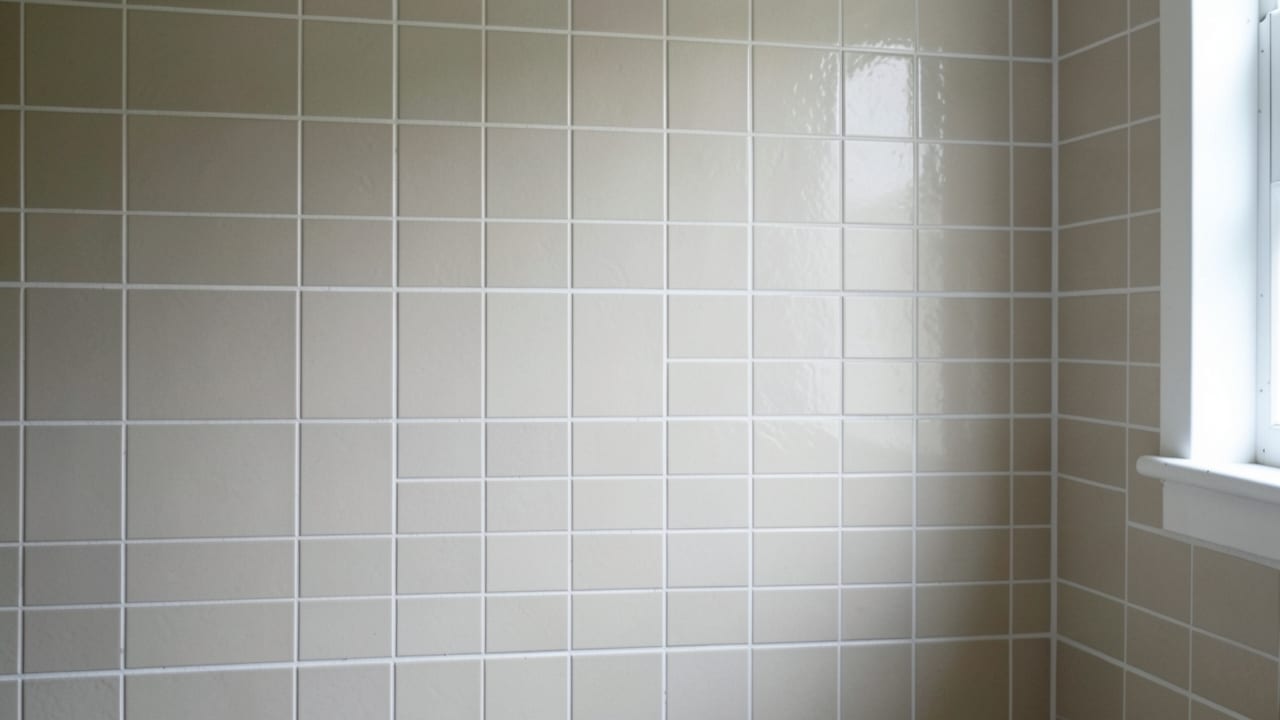
Tile & Grout Mold Cleanup in Belmont, CA
Professional removal of mold from tile and grout surfaces in bathrooms, kitchens, and other tiled areas.
Learn More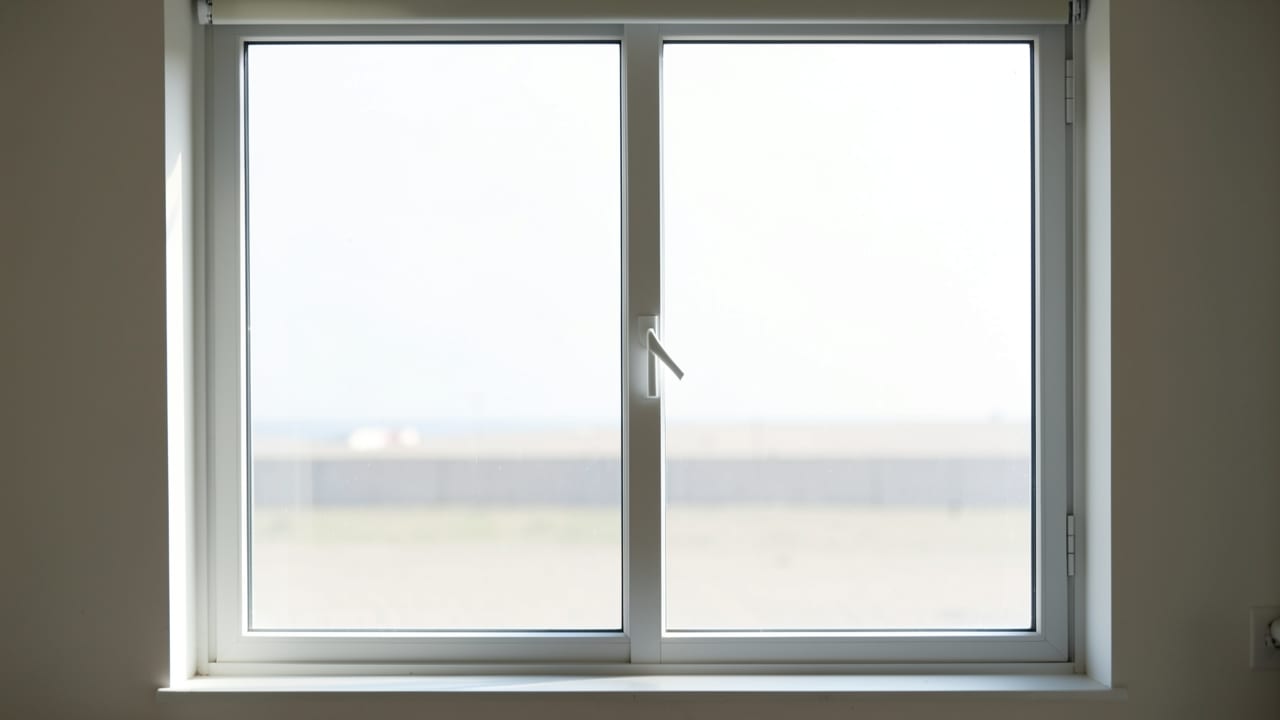
Glass Window Mold Removal in Belmont, CA
Professional removal of mold from glass windows and frames to restore clarity and prevent spread.
Learn More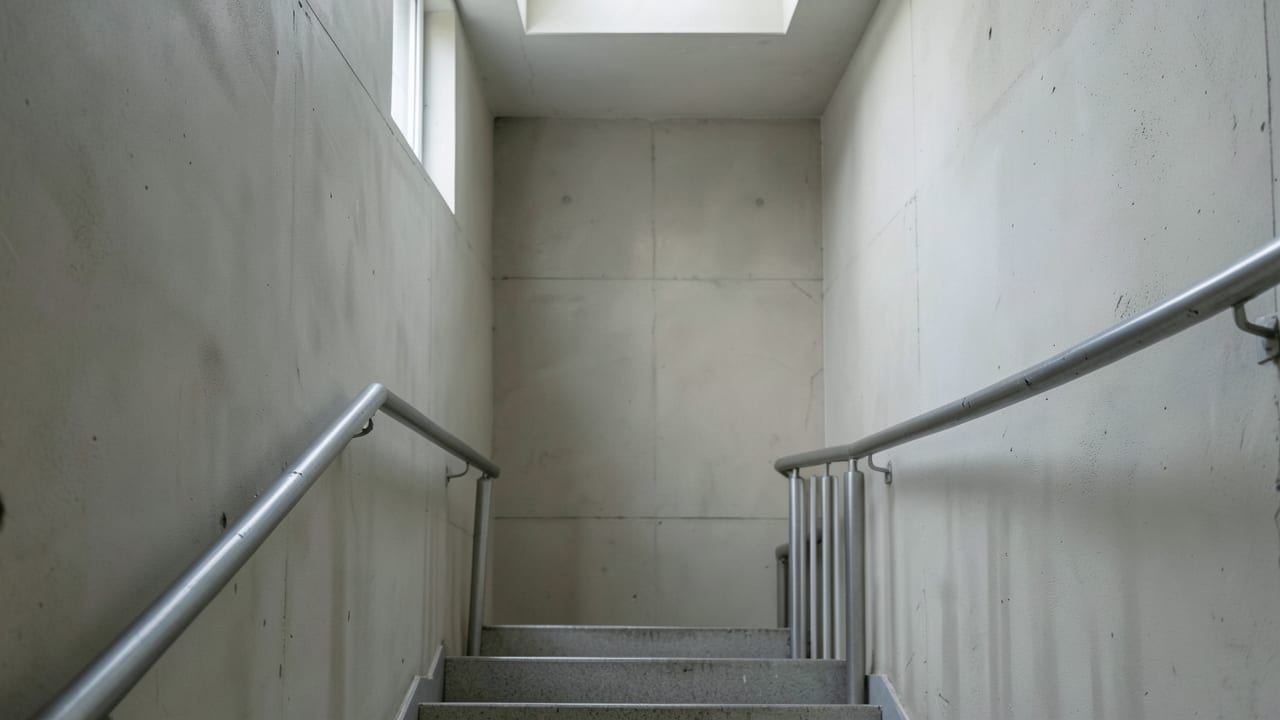
Stairwell Mold Remediation in Belmont, CA
Professional mold removal and prevention in stairwells to restore safe, clean spaces.
Learn More
Sunroom Mold Remediation in Belmont, CA
Professional removal and treatment of mold in sunrooms to restore a safe, clean space.
Learn More
Closet Mold Cleanup in Belmont, CA
Professional cleanup and removal of mold from closets to restore safe, healthy spaces.
Learn More
Pantry Mold Treatment in Belmont, CA
Professional assessment and removal of mold in pantry areas to restore a safe, clean space.
Learn MoreCommon Questions About Mold Remediation in Belmont
Everything you need to know about mold remediation services in Belmont
How much does Stone Countertop Mold Removal typically cost in Belmont, CA?
Does coastal humidity around Belmont, CA change how mold risk is assessed?
How long does a typical mold remediation job take?
Is it safe to stay in the home during mold remediation?
Can small mold problems be handled without hiring anyone?
What's the actual difference between mold removal and mold remediation?
Need Mold Remediation in Belmont?
Connect with local providers in Belmont for a detailed quote.
⏰ We answer your call • Serving all of Belmont and surrounding areas