How Mold Remediation in Belmont Combats Hidden Infestations
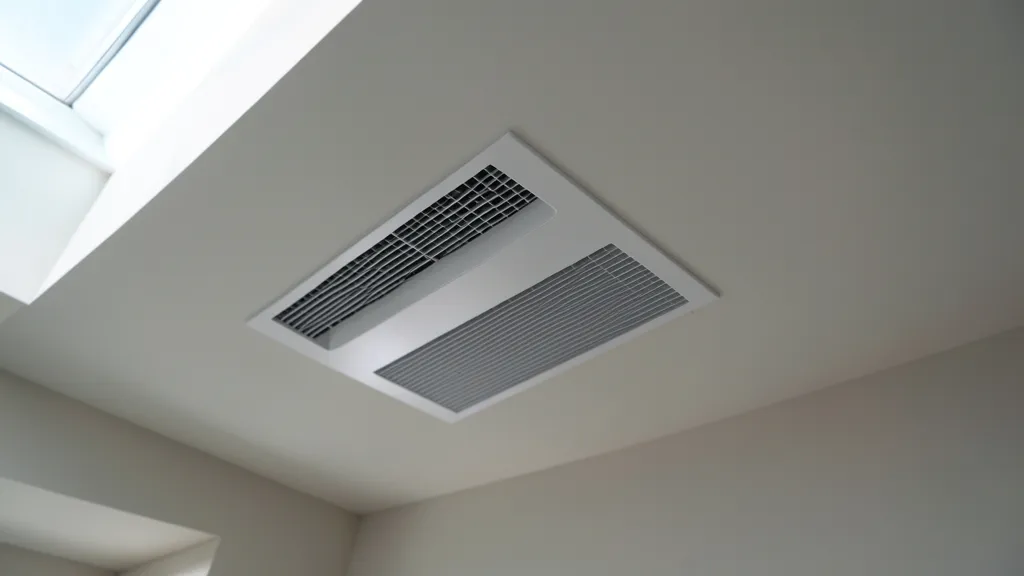
Hidden mold thrives in the damp, mild climate of the Peninsula, often lurking behind walls, under flooring, or in crawl spaces long before it’s noticed. Our team uses advanced detection and remediation methods to stop infestations at the source, not just the surface.
Why Hidden Mold Is a Silent Threat in Peninsula Homes
The Bay Area’s coastal humidity and seasonal rains create ideal conditions for mold to grow undetected. In Belmont, older homes with poor ventilation or past water damage are especially vulnerable.
Mold spores spread quickly through HVAC systems, affecting indoor air quality in San Carlos, San Mateo, and beyond. Without proper mold testing, infestations can go unnoticed until they cause structural or health issues.
Signs You Might Have Hidden Mold
Musty odors are the most common red flag, even if no visible mold appears. These smells often originate in basements, crawl spaces, or behind drywall.
Unexplained allergies, respiratory issues, or skin irritation can signal airborne spores. In attics or under sinks, discoloration or peeling paint may hint at moisture problems feeding mold growth.
Common Hidden Mold Indicators
- Persistent musty odors
- Water stains on walls or ceilings
- Peeling paint or wallpaper
- Increased allergy symptoms indoors
- Visible condensation or high humidity
How Professional Mold Inspection Uncovers the Problem
Our mold inspection process begins with a thorough visual assessment, targeting high-risk areas like crawl spaces, basements, and around plumbing fixtures.
We use moisture meters and thermal imaging to detect hidden water sources feeding mold. Air quality testing captures airborne spores, even in areas like Redwood City or Foster City where climate conditions mirror Belmont’s.
Mold Testing vs. Mold Inspection: What’s the Difference?
Mold inspection identifies visible and hidden growth through visual and technological means. It pinpoints the extent and likely causes of an infestation.
Mold testing, including air and surface sampling, quantifies spore levels and species. This data guides remediation and confirms cleanup success.
| Aspect | Mold Inspection | Mold Testing |
|---|---|---|
| Primary Goal | Locate and assess mold growth | Measure spore types and concentrations |
| Methods Used | Visual exam, moisture meters, thermal imaging | Air sampling, surface swabs, lab analysis |
| Outcome | Identifies problem areas and causes | Confirms spore types and cleanup effectiveness |
The Mold Remediation Process: From Containment to Clearance
We start with containment using plastic sheeting and negative air pressure to prevent spores from spreading during removal. HEPA air scrubbers run continuously to capture airborne particles.
Infested materials like drywall or insulation are safely removed and disposed of. Non-porous surfaces are cleaned with antimicrobial solutions, while porous items may require replacement.
Post-remediation, we conduct a clearance test to verify spore levels meet safe standards. This step is critical for homes in Belmont and neighboring areas like San Mateo, where humidity can lead to recurrence.
Improper containment can aerosolize spores, worsening the infestation. Professionals use sealed barriers and air filtration to protect the rest of your home.
Specialized Remediation for Crawl Spaces and Attics
Crawl spaces in Belmont often suffer from poor airflow and ground moisture, creating a perfect mold habitat. We install vapor barriers and improve ventilation to prevent future growth.
Attic mold frequently stems from roof leaks or inadequate insulation. Our team addresses the root moisture issue while removing contaminated materials to restore a healthy environment.
Preventing Mold Recurrence with Moisture Control
Mold remediation is only as effective as the moisture control that follows. We recommend dehumidifiers for basements, proper grading to divert water, and regular HVAC maintenance.
In areas like Foster City, where proximity to the bay increases humidity, proactive measures like moisture-resistant building materials can make a significant difference.
Keep indoor humidity below 50% to inhibit mold growth. Hygrometers are inexpensive tools to track levels in high-risk areas.
When to Call a Professional for Mold Removal
DIY mold cleanup is only advisable for small, surface-level growth on non-porous materials. Anything larger than 10 square feet, or mold in HVAC systems, requires professional remediation.
If you suspect hidden mold or have health concerns, a certified team ensures safe, thorough removal. Request a quote to assess the scope and cost factors, which depend on infestation size, location, and materials affected.
How to Prepare for a Mold Inspection
A little preparation helps our team work efficiently and accurately.
- 1Clear Access to Problem Areas
Move furniture, storage, or clutter away from walls, crawl space hatches, and attic entries to allow full access.
- 2Note Any Past Water Damage
Provide details on leaks, flooding, or condensation issues you’ve noticed, including when and where they occurred.
- 3Avoid Disturbing Suspected Mold
Do not attempt to clean or remove mold yourself, as this can release spores and worsen the problem.
- 4Secure Pets and Children
Keep pets and kids out of the inspection area to ensure their safety and allow uninterrupted work.
- 5Be Ready to Discuss Symptoms
Share any health concerns like allergies or respiratory issues that may be linked to mold exposure.
Frequently Asked Questions
Is mold remediation always necessary, or can I clean it myself?
Small, isolated mold patches on hard surfaces can sometimes be cleaned with proper precautions. However, hidden or large-scale infestations require professional remediation to ensure spores are fully contained and removed. In Belmont’s climate, DIY fixes often miss the root moisture issue.
How do I know if my home’s mold is toxic?
Not all mold is toxic, but species like Stachybotrys (black mold) can produce mycotoxins harmful to health. Mold testing identifies the type and spore count, which guides the remediation approach. Our team uses lab analysis to determine the risk level.
Can mold come back after remediation?
Yes, if the underlying moisture problem isn’t addressed. That’s why our process includes identifying and fixing the source of water or humidity. In areas like San Carlos or Redwood City, ongoing moisture control is key to preventing recurrence.
Does homeowners insurance cover mold remediation in Belmont?
Coverage varies by policy and the cause of the mold. If the infestation results from a covered peril like a burst pipe, insurance may pay for remediation. However, mold due to neglect or long-term humidity is often excluded. Check your policy and request a quote to understand potential costs.
What’s the difference between mold removal and mold remediation?
Mold removal refers to physically eliminating mold from surfaces, while remediation is a comprehensive process that includes containment, cleanup, and preventing future growth. Remediation addresses the root cause, not just the visible mold.
How long does it take to get mold test results?
Most air and surface samples are analyzed within 24 to 48 hours. Rush services may be available for urgent situations. The results help determine the scope of remediation needed for your Belmont home.